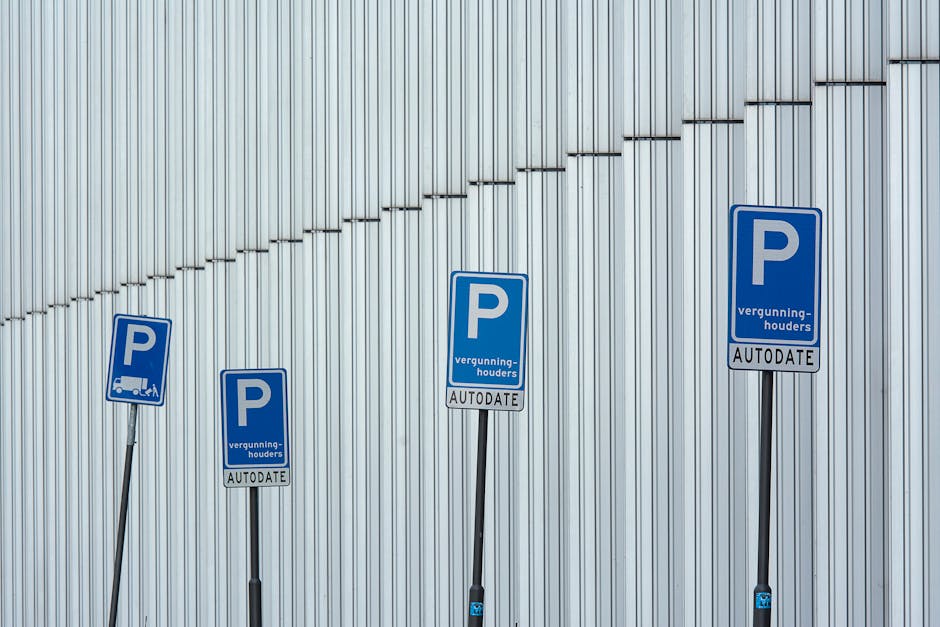
Greenwich Council parking permit rules for removals: what you need to know before moving day
Moving house or office in Greenwich can be stressful enough without parking becoming the thing that throws your whole schedule off. The truth is, Greenwich Council parking permit rules for removals can make a big difference to whether your van stops neatly outside the property or ends up circling the block while everyone gets frustrated. If you are arranging a move in the borough, especially on a busy street, in a controlled parking zone, or near flats with tight access, understanding the basics early can save time, money, and a lot of last-minute panic.
This guide explains how the process usually works, why it matters, what to check before moving day, and how to avoid the common slips that catch people out. We will keep it practical, plain-English, and grounded in real moving-day realities - because nobody needs a lecture when they are already surrounded by boxes, bin bags, and that one chair that never quite fits through the door.
Table of Contents
- Why Greenwich Council parking permit rules for removals matters
- How Greenwich Council parking permit rules for removals works
- Key benefits and practical advantages
- Who this is for and when it makes sense
- Step-by-step guidance
- Expert tips for better results
- Common mistakes to avoid
- Tools, resources and recommendations
- Law, compliance, standards, and best practice
- Options, methods, and comparison table
- Case study or real-world example
- Practical checklist
- Conclusion
- Frequently asked questions
Why Greenwich Council parking permit rules for removals Matters
Parking is not just a convenience during a move; it is often one of the main factors that determines how smoothly the whole day runs. In Greenwich, as in many London boroughs, parking controls can affect where a removals van can stop, how long it can stay, and whether loading is allowed without a permit or suspension. That matters because removals are rarely quick. Even a modest flat move can involve several trips, careful lifting, and a few awkward pauses while someone figures out whether the sofa is turning left or right at the landing.
If you ignore the parking side, the knock-on effects can be surprisingly annoying. Drivers may need to park far away, which means longer carry distances, more labour time, and greater risk of damage. In some cases, they may have to move the vehicle repeatedly to avoid a ticket or penalty. That is the sort of chaos that turns a decent plan into a long day.
For residents, landlords, tenants, and businesses, the main value of understanding the rules is simple: fewer delays and fewer unexpected costs. It also helps you choose the right moving setup. For example, a smaller vehicle from man and van services may suit a narrow street better than a larger lorry, while a more complex property move may benefit from a broader removals setup through professional removals. That is less about sales and more about matching the job to the street.
Expert summary: the parking rules are not just admin. They shape access, timing, safety, and cost. Get them right and the move tends to feel calmer, quicker, and a lot more predictable.
How Greenwich Council parking permit rules for removals Works
While the exact arrangements can vary depending on the street, bay type, and local restrictions in force on your moving day, the basic logic is fairly consistent. You are usually dealing with one or more of the following: resident parking bays, shared-use bays, single or double yellow lines, loading restrictions, controlled parking zones, or suspended spaces. A removals vehicle may be able to use some of these areas only if the right permission has been arranged in advance.
For removals, the two big questions are usually: Can the vehicle stop safely and legally close to the property? and Do I need a formal permission, permit, or bay suspension? If the answer to either is uncertain, it is worth checking well before moving day. Last-minute assumptions are where problems begin.
In practical terms, a permit or temporary parking arrangement may involve advance booking, evidence of the move, vehicle details, dates and times, and clear instructions about where the vehicle can park. Some situations may also require warning signs, especially if a bay suspension is involved. That detail can feel a bit bureaucratic, but it helps prevent disputes with neighbours and parking enforcement. And yes, it usually feels less exciting than packing plates into newspaper, but it matters more than you think.
For larger or multi-stop moves, planning the vehicle and access route matters just as much as the permit itself. If you are moving from a top-floor flat or a property with limited street access, a compact van from removal van options may be easier to position than a bigger truck. For heavier household loads, a stronger vehicle from moving truck hire may be the better fit, provided the street layout allows it.
One useful way to think about it: the parking permission is only one part of the access plan. The van size, the road width, the loading distance, and the property layout all work together. If one part is off, the whole move can become more tiring than it needs to be.
Key Benefits and Practical Advantages
Getting the parking side right is not just about avoiding a ticket, although that is a good enough reason on its own. There are several practical advantages that make proper planning worth the small amount of effort it takes.
- Shorter loading times: a vehicle parked close to the entrance reduces carrying distance and speeds everything up.
- Lower risk of damage: fewer long carries means less chance of bumping furniture, walls, or stair railings.
- Less stress for everyone: you can focus on the actual move instead of worrying about where the van has gone.
- More accurate scheduling: removals teams can plan the day with fewer surprises.
- Better neighbour relations: a properly arranged move is less likely to block driveways or cause avoidable frustration.
- Cleaner cost control: reduced waiting and fewer parking complications help keep the job more efficient.
There is also a subtle benefit people often miss: safer handling. When a van can stop sensibly near the door, the team is not rushing across a road or weaving through traffic with a heavy wardrobe. That matters. A lot.
For customer groups planning a more complex job, such as a flat move or a business relocation, the parking arrangement becomes part of the wider logistics picture. If you are also packing, dismantling furniture, or moving sensitive items, it can help to combine the parking plan with services like packing and boxes or office removals so the whole day feels coordinated rather than improvised.
Who This Is For and When It Makes Sense
These rules matter for almost anyone moving with a vehicle in Greenwich, but some people benefit more than others. If your property is on a busy road, inside a controlled parking zone, or in an area with limited bay space, you should treat parking as a core part of the move rather than an afterthought.
This is especially relevant for:
- tenants moving into or out of flats and maisonettes
- homeowners moving household furniture and white goods
- students moving at the start or end of term
- small businesses relocating equipment or stock
- people arranging same-day or short-notice removals
- customers using a van, truck, or mixed-vehicle move
In student-heavy or densely populated streets, space can vanish quickly. You might arrive thinking there is room, only to find a delivery van has occupied the best spot and a recycling truck is due in half an hour. That sort of thing happens more than people expect. If you are in that situation, a smaller vehicle from student removals support may be a more workable choice than a large truck, especially for boxes, small furniture, and quick turnarounds.
For business moves, the decision is not only about parking legality. It is also about avoiding disruption to staff, customers, and building access. In those cases, services such as commercial moves or office relocation services can help coordinate access with the practical demands of the site.
Sometimes the best option is not the biggest vehicle or the most ambitious plan. It is the one that fits the street, the schedule, and the building. Simple, really - though moving day rarely feels simple in the moment.
Step-by-Step Guidance
If you want to handle Greenwich Council parking permit rules for removals without guesswork, use a methodical approach. The steps below are the ones that tend to prevent the most trouble.
- Check the street restrictions first. Look at what type of parking is outside both the old and new address. Are there bays, yellow lines, loading restrictions, or time-limited rules?
- Measure the access properly. Think about vehicle length, turning space, and whether a van can safely stop without blocking driveways or junctions.
- Match the vehicle to the site. A smaller vehicle may be easier on narrow streets, while a larger move may need a larger load space.
- Decide whether you need formal permission. If stopping space is limited or heavily controlled, arrange the relevant parking permission or suspension in advance.
- Build in time for loading. Do not plan a tight window and hope for the best. Moves almost always take a bit longer than people imagine.
- Keep records together. Save booking details, instructions, and any reference numbers in one place.
- Brief the moving team. Let them know where the vehicle can stop, what the stair access is like, and whether there are any building rules.
- Prepare for weather and neighbours. Rain, narrow pavements, and busy school-run traffic can all slow things down. A little extra padding in the plan helps.
For a household move, it often helps to pair this planning with proper packing support. A well-labelled move tends to be faster, and faster means less time spent with a van sitting awkwardly outside in the street. If you want help with the practical side of preparation, packing and unpacking services can take some of the pressure off.
If the move involves large or awkward items, such as wardrobes, a piano, or heavy shelving, parking becomes even more important because those items need space to load safely. In those cases, services like piano removals or furniture removals are worth considering, because the access plan and handling plan need to work together.
One tiny but important thing: check the day-of timing, not just the date. A bay that is easy to use at 9:00 a.m. may be occupied by lunchtime. That small detail has ruined many a calm plan.
Expert Tips for Better Results
After plenty of real moving-day experience, a few habits stand out as genuinely useful.
- Plan the parking before you pack the first box. It is tempting to leave it until the end. Don't. Start with access, then move to packing.
- Use the shortest sensible carry route. Even 20 extra metres can feel long when you are carrying a fridge or a set of drawers.
- Choose the right vehicle size for the street. More space is not always better if the road cannot accommodate it comfortably.
- Keep loading zones clear. Ask neighbours, where appropriate, to avoid parking in the best spot on moving morning.
- Separate essentials from bulk items. The first things off the van should be the items you need immediately, not the box full of cables you will not find until next week.
- Allow a margin for the unexpected. Lift access, weather, traffic, and parking checks can all take longer than hoped.
Here is a practical example. If you are moving from a second-floor flat in Greenwich and your street is narrow, a compact vehicle may actually make the day easier than a larger lorry. You may lose a little load space, but you gain better access and less time wrestling with parking. That trade-off is often worth it.
If you are unsure which setup fits your job, look at the wider moving plan as well as the parking. For many customers, a smaller vehicle from man with a van is enough for a one-bed flat, while a bigger family house may need a full house removals service. It is not about being fancy. It is about being sensible.
And yes, sometimes the sensible option is the boring one. But boring and smooth beats dramatic and expensive every time.
Common Mistakes to Avoid
A few avoidable errors crop up again and again. If you can sidestep these, you are already ahead.
- Leaving parking until the morning of the move. By then, your options may be limited.
- Assuming loading is always allowed. In London, that assumption can cost you.
- Not checking both addresses. You need a plan for loading and unloading.
- Choosing a vehicle that is too large for the street. Bigger is not always better.
- Forgetting about bay suspensions or permits for neighbours. What looks like empty space may already have a reservation attached to it.
- Ignoring building restrictions. Some blocks have rules about where vehicles can stop or how long access is available.
- Underestimating time. A rushed move often becomes a messy one.
One common real-world problem is the van arriving on time, but no stopping place being available. The team then has to park farther away, which adds walking, adds handling, and can slow the whole chain of loading. Nobody notices parking much when it goes right. But when it goes wrong, everyone notices.
Another frequent issue is failing to coordinate with storage. If your furniture is being moved into a storage unit first, then parking and access matter twice. In those cases, using storage alongside the move can be helpful, but the access arrangement should still be planned carefully. A storage drop-off is still a logistics job, not just a box shuffle.
Tools, Resources and Recommendations
You do not need a complicated toolkit to get this right. Mostly, you need decent information and a few practical habits.
- Site notes: write down the entrance location, parking options, and any door codes or porter instructions.
- Vehicle measurements: know roughly how long and tall the vehicle is, especially if there are low trees, tight corners, or height barriers nearby.
- Building paperwork: keep any move-in instructions, lift booking details, or access time slots together.
- Box labels: clear labels reduce unloading time and keep the van moving efficiently.
- Contact list: have the driver, building contact, and key person for the move ready to reach.
For planning support, a clear quote process helps too. If you are comparing vehicle size, labour needs, and time windows, take a look at pricing and quotes so you can line up the move with the likely complexity. A move that sounds cheap at first can become less cheap if parking is badly planned. That is the bit people learn once, usually the hard way.
It is also sensible to review the mover's policies around safety, payment, and service expectations before you book. Useful supporting pages include health and safety policy, insurance and safety, payment and security, and terms and conditions. Those details do not replace parking planning, of course, but they do help you move with more confidence.
Law, Compliance, Standards, or Best Practice
Greenwich Council parking permit rules for removals sit within the wider framework of UK parking control, traffic management, and local enforcement. The exact street-level rules may vary, and you should always treat formal council instructions as the final word for the property you are moving from or to. That is the safest approach, and to be fair, the only sensible one.
As a general best practice, check whether the location falls within a controlled parking zone, whether loading is allowed, and whether any bay suspension or temporary permission is needed. Do not assume that a removals vehicle gets special treatment by default. In many streets, it does not. If in doubt, plan early and document everything. That is good practice whether the move is domestic or commercial.
There is also a safety dimension. A poorly parked vehicle can create blind spots, force pedestrians into the road, or make manual handling riskier. That is why reputable moving teams treat parking as part of their safety planning, not just admin. The aim is a lawful stop, a safe load, and a quick exit. Nothing glamorous. Just effective.
For readers organising a business relocation, standards of care matter even more. Equipment, paperwork, and access arrangements should be handled with consistency. That is one reason why commercial moves and office relocation services are often planned as structured jobs rather than loose collections of boxes and hope.
Options, Methods, and Comparison Table
There is more than one way to approach parking for a move. The best choice depends on the property, the amount you are moving, and how tight the street conditions are. Here is a simple comparison to help you think it through.
| Approach | Best for | Pros | Potential drawbacks |
|---|---|---|---|
| Small van with close street parking | Flats, student moves, compact loads | Easier access, more flexible on tight roads | May need more trips if the load is large |
| Larger moving vehicle with planned parking | Family homes, bulkier furniture, office moves | More load space, fewer journeys | Needs better access and more careful planning |
| Timed loading window with permit or suspension | Controlled streets, busy roads, formal access zones | Better predictability, lower risk of disruption | Requires more preparation and admin |
| Parking farther away and carrying items in | When no close stop is possible | Can work in a pinch | Slower, more tiring, greater handling risk |
For many people, the best option is the third one: a planned stop with proper permissions or arrangements. It is not always the quickest to organise, but it often gives the smoothest move on the day itself.
Case Study or Real-World Example
Here is a realistic example based on the kind of moving job that comes up often in Greenwich. A couple moving from a third-floor flat had booked a van for a Saturday morning. At first, they assumed the vehicle could simply stop outside for an hour while everything was loaded. When they checked the street more carefully, they found resident bays, time restrictions, and a limited loading window. Not ideal, but not a disaster either.
They adjusted the plan. Instead of using a bigger vehicle that would have struggled on the road, they chose a smaller setup with a tighter parking plan. They packed everything in advance, labelled the boxes properly, and booked the move for a time when access was easier. The result was a calmer day, fewer carry distances, and no frantic searching for an emergency space five minutes before the driver arrived.
The interesting part is that the move did not become perfect. One box went missing for a while because someone had labelled it "misc." - which, as any mover will tell you, is almost a confession of chaos. But the parking side worked, and that saved them a lot of trouble. A small win, but a real one.
That is the broader lesson here: the parking arrangement is often the difference between a move that feels controlled and one that feels like everyone is running a race in socks. Nobody wants the sock version.
Practical Checklist
Use this checklist a few days before the move. It is simple, but it covers the things people most often forget.
- Check the parking rules for both the old and new property.
- Confirm whether a permit, bay suspension, or loading permission is needed.
- Measure the space available for the vehicle.
- Match the vehicle size to the street layout.
- Keep access details and reference numbers together.
- Tell the moving team about stairs, lift bookings, and narrow entrances.
- Label boxes and separate essentials from bulk items.
- Allow extra time for traffic, weather, and parking delays.
- Check whether storage or special handling is part of the plan.
- Review payment, safety, and service terms before moving day.
If your move is large, awkward, or time-sensitive, you may also want to look at support from removal services, flat removals, or home moves depending on the type of property involved. The right service shape often makes parking planning easier too.
Conclusion
Getting your head around Greenwich Council parking permit rules for removals is one of those jobs that feels a bit dull until you see what happens when it is ignored. Then it becomes very interesting, very quickly. The good news is that most problems are avoidable with a little planning: check the restrictions, choose the right vehicle, allow enough time, and make sure the loading point is lawful and practical.
For many moves in Greenwich, the smartest approach is to treat parking as part of the move itself, not something separate. When access, vehicle choice, and timing all line up, the rest of the day tends to feel easier. Less backtracking, less waiting, less "Where on earth can I stop?" at the kerbside.
If you are preparing a move and want a smoother, better-planned day, take a moment to review the practical options, understand your access needs, and make the street work for you instead of against you. That bit of care at the start can save a lot of effort later.
Get a free quote today and see how much you can save.
Frequently Asked Questions
Do I need a parking permit for removals in Greenwich?
Not always, but often you will need some form of permission or parking arrangement if you want to stop legally and close to the property. It depends on the street, the bay type, and the local restrictions in place on the day.
Can a removals van use resident bays?
Sometimes, but not by assumption. Resident bays are usually controlled spaces, so you need to check the specific local rules before planning to stop there. A quick check beforehand can save a lot of grief later.
What happens if there is no parking space outside my house?
The team may have to park farther away and carry items in, which usually takes longer and can increase handling effort. That is workable in some cases, but it is rarely the smoothest option.
How far in advance should I sort parking for a removal?
As early as you can. The more controlled the street, the more valuable early planning becomes. A last-minute approach can leave you with very few good options.
Is a small van better than a large truck in Greenwich?
It depends on the street and the size of the move. A smaller van can be much easier in tight roads, while a larger truck may reduce the number of trips. The best fit is the one that balances access and load size.
Do office moves have different parking needs from home moves?
Often yes. Office moves may involve more equipment, stricter building access rules, and tighter timing. That is why parking and loading plans should be built into the relocation from the start.
What if my building has its own loading bay?
That can help a lot, but you still need to check availability, booking rules, and any time limits. Private loading bays are useful, yet they can also be tightly controlled.
Can I leave boxes outside while the van is parked elsewhere?
It is better not to rely on that. Unattended items can create safety, theft, and weather risks. Good loading planning keeps items moving from property to vehicle in a controlled way.
Does parking affect the cost of a removal?
It can. If access is poor and the crew has to walk further or wait longer, the job may take more time and effort. Clear parking arrangements usually help keep the move more efficient.
What should I tell the moving company before the day?
Tell them about the parking situation, the type of property, any access restrictions, stairs, lift bookings, and whether there are large or awkward items involved. The more they know, the better they can plan.
What is the biggest mistake people make with Greenwich parking rules?
Assuming the van can just stop wherever is convenient. In a borough with controlled parking and busy streets, that is a risky assumption. Checking early is much safer.
Can I combine parking planning with storage or packing help?
Absolutely. In fact, that often makes the move easier. If you are using storage or arranging packing and boxes, it is smart to think about parking at the same time so the logistics stay joined up.
Where can I learn more about the company behind this guidance?
You can read more on the about us page and review practical service details across the site, including safety, payment, and sustainability information. A well-run move is usually built on clear information and careful planning.