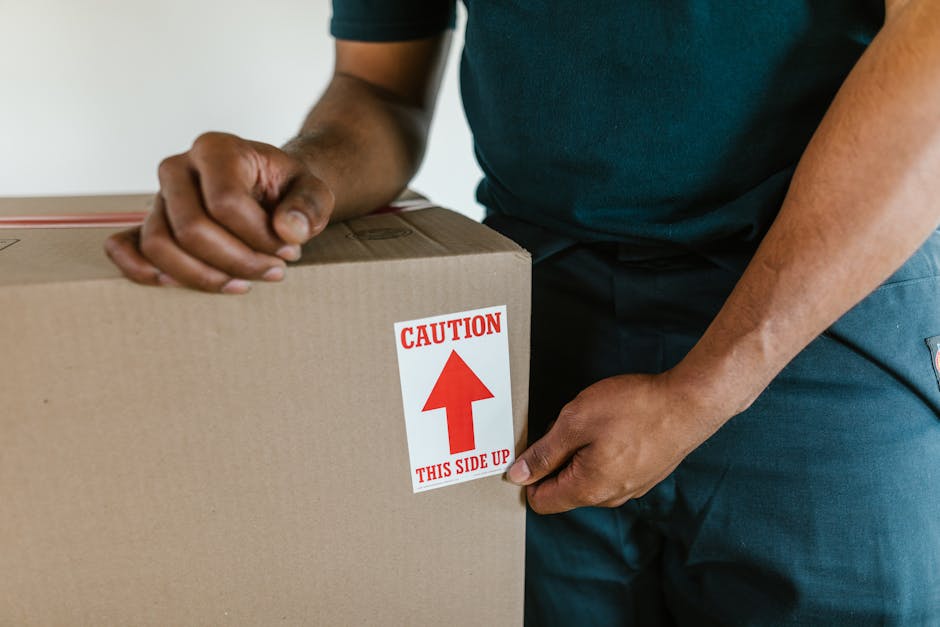
Man with a van in Charlton for household and business moves

Our man with a van in Charlton service is set up for practical transport work where care, timing and clear loading matter more than unnecessary fuss. It suits customers who need furniture, boxes, appliances or mixed items moved safely from one address to another, whether the task is a short local run or part of a larger move. We keep the service focused on the job itself, with straightforward loading, transport and unloading tailored to the items and the access available.
This is a flexible removal option for homes, flats, shared properties, small offices and one-off collections. It can help when a full-scale lorry is more than you need, or when access, parking or timing makes a smaller vehicle a better fit. If you are comparing options, use our removals page for a broader view of the kinds of moves we handle, then decide how much support you need for your own job.
We can work around individual item sizes, awkward stair access and mixed loads that do not fit neatly into a standard box-moving pattern. The service is designed to keep the process clear: what needs moving, where it is going, and what handling the items require. If you already know the rough scale of the job, you can ask for a quotation in plain terms and we can look at the practical details with you.
Household moves planned around access, volume and timing
House moves often involve more than lifting items from one room and driving them across town. The useful part of a van-led removal is the ability to match the vehicle and load plan to the actual contents, from a few heavy pieces through to a fuller household load. That can include sofas, beds, wardrobes, packed cartons, kitchen items and other belongings that need sensible stacking and steady transport rather than hurried handling.
For smaller home moves, the service can be especially useful where the loading point is tight or the new property is difficult to reach. A measured approach helps when items need to be carried through narrow entrances, around shared stairwells or from upper floors. If you want to compare related options, our home moves page sets out a residential move in more general terms, while the man with a van option stays adaptable for lighter or more straightforward work.
What this kind of move suits
It is often chosen for studio flats, one-bedroom homes, student rooms, partial contents moves and the transport side of larger clearances. The emphasis is on matching the vehicle space and loading approach to the actual job rather than forcing the work into an oversized format. That keeps the move practical for customers who already have packing in hand, or who only need transport for the heavier or bulkier belongings.
Furniture and single-item transport with care for fragile finishes

Furniture transport needs more than a vehicle and a clear destination. Tables, chests, bed frames, office chairs and cabinets often benefit from careful positioning in the van, restrained movement on stairs and sensible separation from items that could scuff surfaces. We treat each piece as a load to be secured properly, not just as something to be shifted quickly from A to B. That matters where polished wood, glass inserts or delicate fittings are involved.
Our furniture pick up page covers the collection side of these jobs, which can be useful when a customer needs a piece taken from a shop, storage location, home or private address. In a practical sense, this service is about the physical move itself: lifting, loading, transport and placement where access allows. It is a good fit for single items, matched sets or a small number of bulky pieces that need proper handling.
Good planning helps with bulky items, especially if disassembly or reassembly is involved. Knowing the dimensions and shape of the furniture makes loading safer and helps avoid last-minute delays at doorways, stair turns or landings. When you are ready, send the basic move details so the job can be considered in a sensible way and the quotation can reflect the work involved.
Office relocation work for compact premises and equipment
Business moves are rarely just about desks and chairs. Even a modest office relocation can involve file storage, monitors, printers, stationery, small cabinets and packaged equipment that all need to stay organised through the move. Our approach is built around keeping items grouped sensibly, loading them in a way that supports later unloading, and helping the move fit the operating needs of a small workplace where access and timing matter.
For broader commercial planning, see our office relocation services page. That page can help when you want to understand the shape of a workplace move, while this man with a van service is useful where the load is limited enough that a smaller vehicle and a simpler moving pattern make more sense. It can suit a small office, a studio workspace or a satellite base with a manageable amount of equipment.
Office items often travel better when they are grouped before loading, with cables, accessories and documents boxed or bagged in a way that keeps them together. That helps the unloading stage as much as the journey itself. If your workplace has a narrow loading point, shared entrance or timed access, it is worth thinking about that early so the move can be planned around the site rather than against it.
Packing support, loading order and making the move easier
Some customers want transport only; others need a bit of help turning loose items into a moveable load. That is where packing and unpacking support can be useful, particularly for belongings that would otherwise shift around during transit. Boxes, bin bags, loose soft furnishings and protected breakables each benefit from a different approach, and the aim is to keep the load stable rather than overfill it. Good packing also makes unloading cleaner and quicker at the destination.
Our packing and unpacking services page covers this work in more detail. Within a man with a van booking, packing support may be relevant when there is a mixture of awkward items and straightforward cartons, or when a customer wants a little extra help getting ready before the vehicle arrives. The key is to be realistic about the volume, the fragility of the contents and the access available at both addresses.
- Keep fragile items separated and clearly grouped.
- Place heavier boxes low in the load and lighter items above where suitable.
- Use covers or wrapping for surfaces that can scratch easily.
- Leave a clear path for carrying items from the property to the vehicle.
About Charlton
Charlton is an area in the Royal Borough of Greenwich in south-east London, close to the River Thames and positioned between Woolwich and Greenwich Peninsula in the wider inner-east and south-east London landscape. Its history is closely linked to the riverside, to industry and to estates that grew alongside transport and redevelopment in the twentieth century. The area takes its name from an older settlement recorded in medieval times, and over the centuries it has developed from a village setting into a dense urban district with a mix of housing, green space and major routes. One of its best-known landmarks is Charlton House, an early seventeenth-century Jacobean mansion built between 1607 and 1612, now a significant historic building within the local fabric. Nearby, Maryon Wilson Park and Maryon Park provide wooded open space, while the Thames Path and the riverside around Thames Barrier Park connect Charlton to the wider pattern of London’s waterfront. The district also sits close to larger destinations such as The Valley, home to Charlton Athletic, and to retail and transport activity around Woolwich and the Greenwich Peninsula. Its geography combines residential streets, industrial legacies, rail links and newer developments, making it a place where historic layers and modern city use are visible side by side.
Practical removals for flats, shared homes and short-distance transport

Short-distance transport still needs the same care as a longer move, especially when there are stairs, shared access or a lot of mixed items. Our house removals page is a good reference point if you want to think about a fuller household move, but the man with a van approach is often better when the task is smaller, simpler or more time-sensitive. It can suit a room move, a partial house move, or the transport of contents from storage into a new property.
Customers often choose this kind of service when they want straightforward moving help without building a large job around it. That might mean taking a few major items, a collection of boxes, or a combination of furniture and personal belongings. The benefit is flexibility: the vehicle can be matched to the amount of load, and the work can stay proportionate to the size of the move rather than becoming more complicated than it needs to be.
If access is awkward, the best result usually comes from planning the sequence before anything is lifted. Know which items are going first, which need protecting, and whether any pieces should travel separately so they do not scratch one another. Clear item grouping makes the move easier to manage and helps keep the whole job calm from collection to delivery.
Van-based moving options for items that need the right vehicle
Choosing the right vehicle matters when the load is more than a few boxes but not enough to call for a larger removal truck. A van-led move gives more control over how items are arranged, which is useful for furniture, stacked cartons, soft furnishings and equipment that benefit from a secure layout. It can also be a sensible choice when the collection point has limited parking or when the route between the entrance and the vehicle is better suited to a smaller setup.
Our moving van page may help if you are comparing transport-focused options. In practical terms, the choice comes down to the shape of the load and the level of handling it needs. A van can often be loaded in a way that keeps items steadier in transit, especially where there are a few substantial pieces and a number of smaller supporting items that need to travel together.
It is usually worth separating anything that can be carried by hand from anything that needs two-person handling, because that affects the pace and the loading order. Doing that early also makes the quotation more accurate. When you are looking for a realistic move plan, ask yourself whether the job is mainly transport, mainly loading support, or a mixture of both.
Insurance, care and how items are handled in transit
Confidence in a removal service often comes from knowing that the handling process is sensible from start to finish. Items should be lifted in a controlled way, positioned so they do not move around unnecessarily, and checked before departure and on arrival. That is especially relevant for objects with surfaces that can chip, dent or mark easily. The aim is not simply to get the load into the van; it is to keep the belongings in good order throughout the journey.
Our insurance and safety page sets out the practical approach behind those precautions. For customers, the important thing is to describe the move clearly and include anything unusually heavy, awkward or breakable. That helps the work be matched to the items rather than treated as a generic load. When details are accurate, the move can be organised with fewer surprises and a better fit between the van space and the things being transported.
Good handling also depends on honest limits. Some items may need to be emptied, dismantled or prepared in a particular way before they travel. Others may need to go separately because of size or shape. A straightforward conversation at the start usually saves time later and helps avoid unsuitable loading decisions once the vehicle arrives.
Quotations, service scope and what to include when you enquire

A sensible quotation starts with the basics: what needs moving, where it is going, whether there are stairs or tight access points, and if there are any especially heavy or fragile pieces. That information helps define the amount of labour and vehicle space involved. If you are comparing services, our pricing and quotes page gives a useful place to start, while the man with a van service remains the best fit where the job is modest, mixed or transport-led.
When you enquire, it helps to mention the number of rooms involved, approximate item sizes and whether any packing or dismantling has already been done. A few clear facts are usually enough to make the discussion productive. If the move includes an item that may need special handling, say so plainly rather than leaving it to be discovered on the day. Clarity up front tends to make the whole process smoother.
For a quote request, keep it simple: give the collection and delivery locations, the type of property, and a short description of the load. If that is all you have to hand, it is still enough to begin. Request a quotation when you are ready and we can work through the move in a practical way.
Moving support for local deliveries, collections and mixed loads
Not every job is a full move from one home to another. Some are one-off collections, deliveries between properties, or transfers of a few larger pieces that need more care than a simple car journey can provide. A man with a van service is useful for those situations because it can handle mixed loads without requiring the customer to overbook the transport. It is also helpful where timing matters and the items need to travel in one organised trip.
Our removal services page gives a broader overview of the kinds of work that can sit around a move, including the transport of household and office contents. This page is where the focus narrows to the practical van-led approach: loading, transit and delivery for the sorts of jobs that benefit from flexibility. If you only need a few items shifted, that smaller-scale option can be the most straightforward route.
Some loads are best organised by priority rather than by room. Essential items, fragile pieces and bulky furniture may travel better when they are separated into a clear order. That makes it easier to unload in the right sequence and gives the job a more controlled pace. It also helps if access at the destination is limited and items need to be carried in a particular way.
Recycling, disposal and preparing items before transport

Sometimes a move includes items that are being passed on, repurposed or taken away as part of a wider clear-out. In those cases, it helps to think about what is travelling, what is staying behind and what needs separate treatment. A van can carry a mixed set of belongings, but the load is easier to manage when items are sorted into clear groups before moving day. That keeps useful pieces together and avoids confusion at collection or delivery.
If your job includes unwanted items, our recycling and sustainability page explains the broader approach to handling materials responsibly. For the transport side, the practical point is to separate what is going to a new home from what should not be mixed into the same lift. A tidy staging area, labelled boxes and a simple loading plan all help keep the work efficient without making assumptions about the condition of the items.
Once you know what is travelling, the final step is to confirm the basic route, access and timing. That is enough to turn a vague idea into a workable move. Make your enquiry when you are ready, and we can look at the most suitable van-led option for the load you need moved.