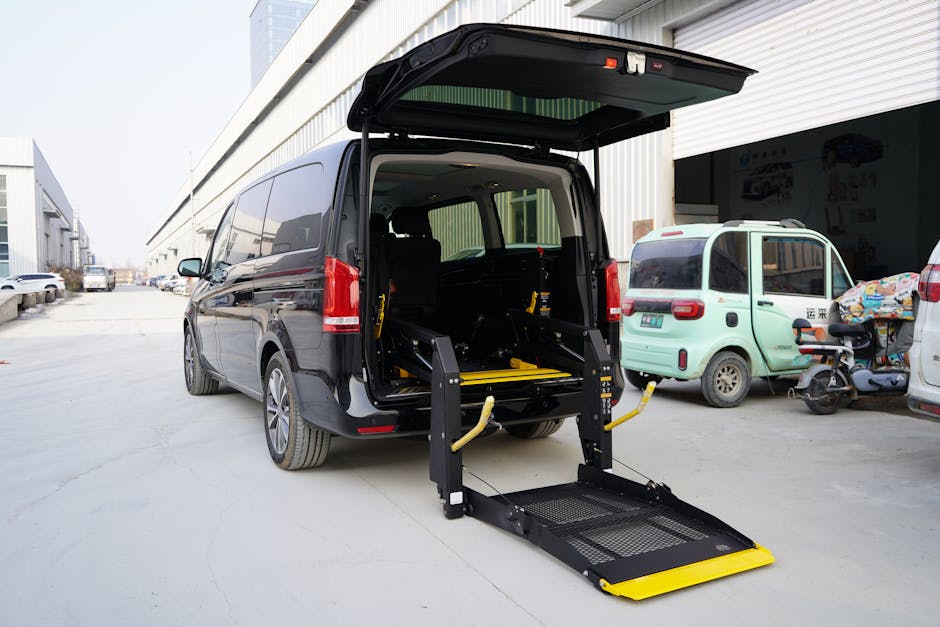
Hornfair Park narrow access solutions for Charlton removals

If you are planning a move near Hornfair Park, chances are the property access is doing half the talking before moving day even arrives. Tight front paths, awkward stairwells, shared entrances, parked cars, and those classic Charlton residential pinch points can turn an otherwise straightforward move into a slow, frustrating puzzle. That is exactly where Hornfair Park narrow access solutions for Charlton removals make a real difference. With the right planning, the right vehicle choice, and a calm approach to loading, even a tricky access route can be handled smoothly.
This guide walks through what narrow access really means in this part of Charlton, how a well-run removal team approaches it, and which practical decisions reduce stress, damage risk, and wasted time. If you are comparing options for a house move, flat move, or small business relocation, you will also find a simple checklist, a comparison table, and a realistic example from day-to-day moving work. To be fair, that is often what people need most: not theory, but a clear plan.
- Why Hornfair Park narrow access solutions for Charlton removals matters
- How Hornfair Park narrow access solutions for Charlton removals works
- Key benefits and practical advantages
- Who this is for and when it makes sense
- Step-by-step guidance
- Expert tips for better results
- Common mistakes to avoid
- Tools, resources and recommendations
- Law, compliance, standards, or best practice
- Options, methods, or comparison table
- Case study or real-world example
- Practical checklist
- Conclusion
- Frequently asked questions
Why Hornfair Park narrow access solutions for Charlton removals Matters
Narrow access is not just a minor inconvenience. It changes the whole shape of a move. In practical terms, it affects how a vehicle can stop, where items can be carried from and to, how many trips are needed, and whether bulky furniture can make it through doorways without a near-miss and a lot of muttering under someone's breath.
In areas around Hornfair Park, access issues often show up in predictable ways: narrow residential roads, limited on-street stopping space, shared entrances in flats, tight internal corners, and staircases that seem to get smaller the moment a sofa appears. A move that looks simple on paper can become the kind of job where timing, communication, and the right equipment matter much more than brute force.
That is why narrow access planning matters so much. It helps reduce:
- avoidable delays caused by poor vehicle positioning
- damage to walls, bannisters, flooring, and door frames
- fatigue from unnecessary carrying distances
- stress for residents, neighbours, and movers alike
- the risk of last-minute vehicle changes on moving day
It also improves customer confidence. When a removal plan clearly accounts for access restrictions, people know the move has been thought through properly. That sounds simple, but in a busy London setting it is reassuring. It is one of the reasons many people look for professional removals support rather than trying to improvise everything at the kerbside.
Expert summary: narrow access removals succeed when the move is planned around the property, not around the vehicle. Measure first, park smartly, protect surfaces, and keep the carrying route as short and safe as possible.
How Hornfair Park narrow access solutions for Charlton removals Works
Good narrow access handling starts before the van even arrives. A proper assessment looks at the whole route, not only the front door. That includes where the vehicle can legally and safely stop, how far items must be carried, whether there are stairs or lifts, and whether any furniture needs partial dismantling to pass through the route cleanly.
In many cases, the solution is not one big fix. It is a series of smaller, sensible adjustments. A smaller vehicle may be better than a larger truck. A second mover may reduce handling time. Protective covers may prevent scuffs on a tight staircase. And sometimes, an extra ten minutes spent planning the loading order saves half an hour later. Funny how that works.
Typical narrow access solutions include:
- pre-move access checks and route planning
- using a vehicle size suited to local road width and stopping space
- parking as close as safely and legally possible
- protecting floors, corners, and bannisters on the carrying route
- disassembling furniture where needed
- using trolleys, straps, blankets, and lifting aids correctly
- sequencing the load so the largest items leave first, not last
For many Charlton properties, especially flats and terraced homes, the best fit can be a flexible team that offers a more nimble service such as man and van or man with a van, rather than assuming a large vehicle is always the answer. That said, bigger moves still need more capacity, so the key is matching the plan to the property rather than defaulting to one method for everything.
On the day, a competent team will usually re-check the access situation at arrival. If a vehicle has to wait, if a neighbour has parked unexpectedly, or if a loading bay is blocked, the plan may need a quick adjustment. The best movers stay calm and flexible. Not dramatic. Just efficient.
Key Benefits and Practical Advantages
When narrow access is handled properly, the benefits show up in ways people notice immediately. The move feels less chaotic, furniture is easier to protect, and the whole day tends to stay on schedule. That is especially important for families, renters facing a checkout deadline, and anyone juggling a key handover the same afternoon.
Here are the practical advantages most people care about:
- Less physical strain: shorter carry distances and better lifting decisions reduce the hard work on everyone involved.
- Lower damage risk: surface protection, measured routing, and correct handling lower the chance of scratches or impact damage.
- Better time control: a move that is planned around access restrictions is easier to schedule and finish on time.
- Improved packing strategy: knowing access is tight helps you pack heavier items more intelligently.
- Fewer surprises: a proper assessment means fewer "we didn't realise that staircase" moments. Those moments are never fun.
There is also a money angle, even if nobody likes to dwell on it. A well-planned narrow access move can reduce unnecessary labour time, repeated trips, and avoidable damage claims. It may not magically make a move cheap, but it does make the cost more predictable. If you want to compare packages or discuss a specific access challenge, the team's pricing and quotes information is a useful starting point.
Another overlooked benefit is neighbour relations. Tight access routes often run through shared streets, communal hallways, or close-knit residential areas. A tidy, efficient move tends to draw far less attention than a noisy, overlong one. In London terms, that is worth a lot.
Who This Is For and When It Makes Sense
Hornfair Park narrow access solutions are useful for more people than you might think. They are not only for awkward flats with a steep staircase. They help whenever the property layout, local parking, or furniture size creates a bottleneck.
This approach makes sense if you are:
- moving from a flat with shared access or a narrow corridor
- leaving a terraced home with limited front garden or pavement space
- relocating a student room or small household from a compact property
- moving office items into or out of a smaller commercial unit
- transporting awkward items like wardrobes, sofas, beds, or a piano
- needing a same-day plan because access is time-sensitive
It is also sensible for anyone who already knows their property has awkward access. If you have ever watched a sofa pause halfway through a doorway, tilt, then need a second attempt with everybody holding their breath, you already understand the issue. Good planning removes a lot of that drama.
For families and homeowners, a tailored home moves approach can be especially helpful. For renters, especially in upper-floor flats, flat removals often need more careful handling than people first expect. And for businesses with equipment, files, or stock, a well-organised commercial moves plan can prevent access delays from disrupting the working day.
If you are only moving a few items, or picking up furniture from one address and dropping it at another, a smaller, more agile service may be enough. That is where furniture removals or furniture pick up can be the sensible choice.
Step-by-Step Guidance
Here is a simple process that works well for narrow access removals around Hornfair Park and the wider Charlton area.
- Check the access route in daylight. Look at the pavement, front steps, hallways, staircases, lifts, and turning points. A ten-second glance is not enough.
- Measure bulky items. Measure the widest points of sofas, wardrobes, mattresses, desks, and white goods. If the item only just fits, that is your warning sign.
- Confirm vehicle stopping space. Think about legal parking, loading access, and how far the vehicle will be from the entrance.
- Decide what should be dismantled. Bed frames, table legs, shelving, and some wardrobes often move far better in pieces.
- Pack for the route, not just the room. Heavy items should be in strong boxes; fragile items should be cushioned properly; loose parts should be labelled and bagged.
- Protect the route. Use covers or runners where needed so the stairs and flooring do not take the hit.
- Load in a sensible order. Put the largest or most awkward items where they can be accessed first at the destination.
- Re-check on arrival. Conditions change. A parked car, a delivery van, or a blocked entrance can alter the best plan in minutes.
If you are handling the packing yourself, booking proper packing and boxes support can make a surprising difference. Tight access is much easier when boxes are uniform, secure, and not overfilled with books like a small revenge against your own back.
For more complicated moves, packing and unpacking services can take pressure off the day and reduce the chance of delays caused by last-minute packing decisions. That matters when stairs are narrow and every extra trip feels longer than it should.
Expert Tips for Better Results
A few small choices can make narrow access removals noticeably easier. These are the sort of things experienced movers notice quickly, usually after one too many awkward doorway manoeuvres.
- Use the smallest vehicle that still fits the move. Bigger is not automatically better. A more compact vehicle can often park closer and reduce carrying distance.
- Keep one route clear. In tight properties, clear the path from the entrance to the loading point before anything else starts moving.
- Label items by room and priority. It is much easier to work methodically when the team knows what should come out first.
- Protect corners and banisters early. Do not wait until the first scuff. Prevention is easier than repair.
- Separate awkward items. Mirrors, glass tops, headboards, and long lamps should not be mixed into chaotic box piles.
- Allow a buffer. Even with good planning, access moves can take a little longer than expected. Build in some breathing room.
One practical tip many people miss: if you have a narrow hallway, turn furniture around in advance and work out the best angle before the team arrives. Sometimes the answer is as boring as "remove the shelves first." Boring, yes. Effective, absolutely.
And if the move includes a large or especially delicate item, it is worth discussing specialist handling early. A standard removal can cope with a lot, but a piano or oversized cabinet can call for a different setup. In those cases, piano removals or a dedicated removal truck option may be more appropriate depending on access and item size.
Common Mistakes to Avoid
The mistakes in narrow access moves are usually not dramatic. They are small misjudgements that add up. The good news is that most of them are avoidable.
- Assuming access is fine because it looked fine once. Access conditions vary by time of day, parking pressure, and weather.
- Using boxes that are too heavy. In narrow hallways, awkward boxes are harder to pivot and more tiring to carry.
- Ignoring furniture dimensions. A sofa that fits in the living room may still refuse to turn the corner downstairs.
- Leaving dismantling too late. If something needs to come apart, do it before the move becomes a queue of blocked doorways.
- Not checking stair width and turn space. This catches people out more often than they admit.
- Choosing a vehicle based on guesswork. If you are uncertain, ask for a proper assessment rather than gambling on the day.
Another common one: forgetting that access problems affect unloading too. People focus on how to get out, then discover the new place has a similar stairwell or a tighter landing. Happens all the time. The best plans account for both ends of the move.
If the access issue is partly about timing, such as an urgent checkout, a last-minute tenancy handover, or a building slot that cannot be moved, consider whether same day removals are a realistic fit. Just make sure the access plan is clear before booking. Speed helps, but speed without planning is just expensive stress.
Tools, Resources and Recommendations
You do not need a van full of specialist kit to handle narrow access well, but the right tools matter. They reduce strain, speed up handling, and protect both the property and the items being moved.
| Tool or resource | What it helps with | Why it matters in narrow access moves |
|---|---|---|
| Furniture blankets | Surface protection | Helps prevent knocks and scuffs on walls, stairs, and frames |
| Straps and ties | Securing loads | Makes it easier to control items in tight turns and on stairs |
| Moving dolly or trolley | Transporting heavy boxes | Reduces carrying effort where flooring and route width allow it |
| Basic tool kit | Dismantling furniture | Useful for bed frames, shelves, and other awkward items |
| Labels and marker pens | Organisation | Speeds up loading, sorting, and unloading at the destination |
| Strong packing boxes | Safe packing | Better stacking and less chance of collapse in compact spaces |
For larger household jobs, a bigger vehicle may still be needed, but the route and access plan should guide the choice. If you are comparing vehicle formats, the information on removal van, removal truck hire, and moving truck can help you think through the trade-offs more clearly.
One more recommendation: if there is any chance you may need temporary overflow space while sorting access, keys, or staged unloading, look at storage. It can turn a cramped move into a calmer two-step process. Not always necessary, but sometimes a lifesaver.
Law, Compliance, Standards, or Best Practice
For a local removal, the main compliance concerns are usually practical rather than dramatic: safe lifting, road use, parking, property protection, and clear communication. A trustworthy mover should work with sensible health and safety practices, carry suitable insurance, and treat access restrictions as part of the job plan, not as an afterthought.
Best practice usually includes:
- checking access details before the move day
- using safe lifting techniques and team handling where needed
- protecting property surfaces during handling
- being careful with parking and loading so local rules are respected
- keeping customers informed if access conditions change
If you are choosing a provider, it is sensible to review how they approach insurance and safety, how they handle secure payments, and what their terms say about access conditions or delays. The relevant pages on insurance and safety, payment and security, and terms and conditions can help you understand the basics before you book.
It is also wise to look at the business itself. A clear about us page can tell you more about the way a company works, while a transparent health and safety policy shows whether safety is taken seriously or just mentioned because, well, it has to be.
Options, Methods, or Comparison Table
Different access situations call for different moving styles. Here is a simple comparison to help you think about which approach is most suitable.
| Method | Best for | Strengths | Limitations |
|---|---|---|---|
| Small van move | Flats, single-room moves, furniture pick-ups | Easier parking, quicker access, less carry distance | Lower capacity, may need more trips for larger loads |
| Standard van with two-person team | Average home or small office moves | Good balance of capacity and manoeuvrability | May still struggle in very tight roads or stairwells |
| Removal truck | Larger homes or multi-room relocations | High capacity, fewer total journeys | Less flexible in narrow streets and limited parking |
| Staged move with storage | Complex access or split handovers | Reduces pressure on move day, allows better timing | Extra planning and an additional step in the process |
In real life, the best option often sits somewhere between these choices. A standard home move might begin with a smaller vehicle for the tightest part of the route, then shift into a larger load plan once access opens up. That kind of flexibility is often more useful than chasing a one-size-fits-all package.
Case Study or Real-World Example
Consider a typical Charlton flat move near Hornfair Park. The property is on a upper floor, the stairwell is narrow, and the building has a shared entrance with limited space to leave boxes. Parking outside is available, but only for short stops and only if you are careful about timing.
The move starts with an access check the day before. The largest sofa is measured. A bed frame is partly dismantled. Boxes are packed by room and kept manageable rather than overstuffed. On the day, the vehicle is positioned as close as possible without causing trouble for neighbours or blocking the route. Floor protection goes down first. The team carries the awkward items while the smaller boxes are grouped and moved efficiently in batches.
Nothing fancy. Just a steady sequence of small decisions. The result is usually a quieter move, fewer near misses, and a much less frazzled client. And, honestly, that final part matters more than people realise. You can hear the difference in the room; less clatter, less rushing, fewer raised voices. It feels organised.
In that kind of scenario, a practical service model from removal services or a tailored house removals plan is often more effective than trying to brute-force the whole job with one oversized vehicle and too little preparation.
Practical Checklist
Use this checklist a few days before moving day. It is simple, but it catches a lot of avoidable problems.
- Measure the widest furniture items and the narrowest doorway or staircase points.
- Check whether parking outside the property is realistic for the time of day.
- Confirm whether the move involves stairs, lifts, or long corridors.
- Decide what needs to be dismantled in advance.
- Pack boxes so they are strong, balanced, and not overfilled.
- Label items clearly by room and priority.
- Protect the route with covers if the property needs it.
- Keep keys, documents, and essentials separate from the main load.
- Tell the moving team about any especially awkward items.
- Plan a little extra time for access-related delays.
If you are a student moving from a compact room or shared property, the same principles still apply. In some cases, a focused student removals service is the simplest way to avoid overcomplicating a relatively small move.
Get a free quote today and see how much you can save.
Conclusion
Hornfair Park narrow access solutions for Charlton removals are really about making the move fit the property, not forcing the property to fit the move. That means measuring honestly, choosing the right vehicle, packing with access in mind, and handling the route carefully from start to finish.
When those pieces come together, a difficult-looking move becomes manageable. Not effortless, because let's be fair, removals rarely are. But manageable, predictable, and far less stressful than most people fear at the beginning. And that is often the difference between a rough day and a decent one.
If you are at the point of planning, keep things practical, keep them measured, and do not be shy about asking for a proper access-aware quote. A thoughtful move is usually a smoother move, and a smoother move is one small relief in a day that already has enough going on.
Frequently Asked Questions
What counts as narrow access in a Charlton removal?
Narrow access usually means any property where parking, carrying, turning, or doorway clearance is limited. That can include tight streets, narrow staircases, shared entrances, steep internal turns, or long carry distances from the vehicle to the door.
Do I need a small van for Hornfair Park access issues?
Not always. A small van can help in tight streets, but the right vehicle depends on the size of the load, the carrying route, and whether a larger vehicle can stop safely nearby. The best choice is the one that fits both the property and the move.
Should furniture be dismantled before the move?
If a bed frame, wardrobe, or table is likely to catch on a doorway or stair turn, yes, dismantling can make the job much easier. It is usually safer, quicker, and less frustrating than trying to force a bulky item through a tight route.
How do movers protect walls and banisters in narrow spaces?
Movers often use blankets, covers, careful handling, and clear carrying routes to reduce scuffs and knocks. In tighter properties, protection should be put in place before the heavier items start moving.
Can narrow access removals take longer than a normal move?
Yes, they often can. Even with a good plan, tight corners, stairs, and limited parking can slow things down a little. That is why a realistic schedule and a bit of buffer time are so helpful.
Is a man and van service enough for a flat near Hornfair Park?
Often, yes, especially for smaller households, student moves, or single-room moves. For larger homes or more furniture, you may need a bigger van or a fuller removal service. It depends on capacity and access, not just distance.
What should I tell the removal team before moving day?
Tell them about stair widths, parking limits, lift access, heavy items, awkward furniture, and anything that may delay loading or unloading. A few clear details in advance can save a lot of guesswork later.
Are same-day removals suitable for awkward access?
They can be, but only if the access challenges are understood in advance. Same-day work is best when the route, parking, and item sizes are already clear. Otherwise, the time pressure can make a tight move harder than it needs to be.
What is the difference between removal van hire and full removal services?
Removal van hire usually gives you the vehicle and, sometimes, a driver or helper, while full removal services tend to include more hands-on support with loading, handling, and planning. For narrow access jobs, the extra support can be very useful.
Can storage help if access is too tight for everything to move at once?
Yes. Storage can be helpful if the property is awkward, the handover timings do not match, or you want to split the move into stages. It is not always needed, but it can make a difficult move feel much more controlled.
How do I know if my move needs specialist handling?
If you have oversized furniture, a steep staircase, very little parking, fragile items, or a building with awkward shared access, specialist planning is sensible. When in doubt, describe the route carefully and ask for an access-aware assessment rather than guessing.
What pages are useful if I want to check service quality before booking?
It is worth reviewing the company's about us, insurance and safety, health and safety policy, and pricing and quotes information. Those pages can help you judge whether the service feels organised and trustworthy.
Who is this kind of removal best suited to?
It is especially useful for flat movers, homeowners with tight stairwells, small offices with limited access, students, and anyone moving furniture through restricted routes. If your property feels fiddly, that is usually a sign you need an access-aware plan.